Tackle a real problem. Pitch a real solution.
The Innovation Challenge is the hands-on heart of TYSIC, and this year it runs in two streams. Prepare a solution in advance, or take on the new Day-of Challenge - written by our Challenge Partner, Urban Minds, and revealed on the morning of the conference. No experience required, just curiosity.
Confirmation closed on . Only rostered students compete.
Check the final team roster for your team, stream, and preliminary time. If your name or team is missing or wrong, or you are on the roster and can no longer attend, email tysiconference@gmail.com immediately.
Registered on Eventbrite but not on the roster? You are welcome at the speaker sessions only. If you cannot come, cancel your ticket through Eventbrite.
Two streams. Every rostered team competes.
The Innovation Challenge gives students the opportunity to apply STEM, not just hear about it. Every student on the final team roster takes part, working in a team of 2–4 to develop and pitch a solution to a real-world problem. The roster also tells you which stream you are in.
Build it beforehand, or build it on the day.
Both streams end the same way: a team, an idea, and a panel of judges. What changes is when the clock starts.
The Pre-Event Challenge
The challenge TYSIC has run for a decade. Teams get their prompt roughly a month ahead, build their answer to it at home, and present finished work on the day.
- The prompt is live: UN Sustainable Development Goal 11, Sustainable Cities and Communities, released September 15, 2026 with 3 categories to choose between.
- Teams research, design, and build in their own time - a prototype, a model, a plan, whatever the idea calls for.
- Bring whatever you need to present: slides, a poster, the prototype itself.
- Present the finished solution in the morning preliminaries, at the time listed on the final team roster: a four-minute pitch with no Q&A, then a one-minute changeover.
The Day-of Challenge
Nothing to prepare. Just show up. The prompt is revealed on the morning of the conference by our Challenge Partner, Urban Minds, and it comes from a real project they are delivering in Toronto.
 Challenge Partner
- No preparation and no prior experience needed - just a place on the final team roster.
- The prompt lands on the morning of October 16, 2026 and not a day sooner, so every team starts from the same line.
- Teams of 2–4 work through the day, with Urban Minds and TYSIC mentors circulating as you go.
- Pitch in the afternoon preliminaries, between 1:00 and 2:50 PM, at the time and station listed on the roster.
The Day-of Challenge prompt is out.
In teams of 2–4, create a product, program, service, system, or other innovative solution to the challenge below. It focuses on the future of electric vehicle charging and accessibility in Toronto. Make sure your innovation is realistic, relevant to the challenge, and implementable if given the necessary resources.
How might we design an equitable and accessible electric vehicle (EV) charging network for Toronto’s future?
Key areas to explore
- 1
Location
Where should EV chargers be placed to best serve residents, youth, and communities who need them most?
- 2
Cost + Beyond
We know that cost is a barrier. What other barriers exist to EV adoption and access, and how could your solution help address them?
- 3
Future Vision
As you graduate and enter the workforce, how do you want EVs to impact your daily life? What should the future of EV access, design, infrastructure, and usability look like in Toronto?
- 4
Charging Experience
What features or amenities would make the EV charging experience more accessible, convenient, and attractive to young people and other users?
You don't need to address every area equally, but your solution should clearly respond to the overall prompt.
Includes the presentation checklist. Preliminaries are a four-minute pitch with no Q&A, then a one-minute changeover - be at your assigned station five minutes before your slot on the roster.
The Pre-Event Challenge prompt is out.
This year's prompt is built on UN Sustainable Development Goal 11: Sustainable Cities and Communities - making cities and human settlements inclusive, safe, resilient and sustainable. Pick one of the 3 categories below, define a problem inside it, and build your answer before October 16, 2026.
- 1
Housing, Transport & Urban Planning
Adequate, affordable housing and basic services, transport that is safe and accessible to everyone, and planning people actually get a say in.
- 2
Heritage, Environment & Public Space
Cultural and natural heritage, the environmental footprint of cities including air quality and waste, and green and public space open to all.
- 3
Resilience & Regional Development
Disaster risk and recovery, stronger links between urban, peri-urban and rural areas, and city policies for inclusion, efficiency and climate adaptation.
The full prompt, the SDG 11 targets behind each category, and how to choose your focus.
Your idea doesn't stop at the pitch.
Urban Minds is a Toronto non-profit that helps young people shape the city they will inherit. Through programs like 1UP Youth City Builders, they put young people in the rooms where decisions about Toronto actually get made. For our tenth anniversary, they are assisting with the Day-of Challenge.
Which means the problem you work on is not a classroom exercise. The strongest thinking from the room will directly inform youth engagement work Urban Minds is delivering with The Atmospheric Fund - a real organization, on a live Toronto project, with real decisions still to be made.
They set the challenge
The prompt comes straight out of Urban Minds' own city-building work in Toronto, so the problem is live rather than hypothetical.
They open the morning
An Urban Minds representative introduces the challenge in person - the context, the stakeholders, and why it matters in this city right now.
They are in the room all day
Their team is on site for the full conference, circulating as students research, argue, and build.
They help judge
Urban Minds joins the judging panel and helps decide which ideas carry through to the finals.
Four steps, from team to pitch.
Find your team
Teams are final. Confirmation closed on October 9, 2026, and the final team roster lists every team of 2–4, its stream, and its preliminary time. Only students on the roster compete.
Know your stream
Pre-event teams have had their challenge since September 15, 2026 - SDG 11 - and prepare their solution in advance. Day-of teams receive their challenge from Urban Minds on the morning of October 16, 2026 and develop their solution during the conference.
Build your solution
Research, brainstorm, and develop your idea using the resources available to you. AI tools and internet access are permitted to reflect real-world problem-solving conditions. A prototype may be included where appropriate but is not automatically required.
Pitch to the judges
Every team pitches in the preliminaries: a four-minute pitch with no Q&A, then a one-minute changeover. The top three teams in each stream go to the finals, Pre-Event first: a four-minute pitch, a one-minute Q&A, then a one-minute changeover.
What happens when.
The Pre-Event prompt is out, released September 15, 2026. The Day-of prompt is held back until the morning of October 16, 2026.
- Released
Pre-event prompt released
The Pre-Event Challenge prompt is out: UN Sustainable Development Goal 11, Sustainable Cities and Communities, with 3 categories to choose between. Day-of teams get nothing yet - that prompt is held until the morning of the conference.
- Closed
Confirmation closed - teams final
The final team roster is out, listing every competing student with their team, stream, and preliminary time. Only rostered students compete; other Eventbrite registrants may attend the speaker sessions only.
Conference day
Pre-event preliminaries run 9:30–10:35 AM. Day-of teams meet their prompt in the morning and pitch their preliminaries from 1:00 to 2:50 PM. Finals start at 3:00 PM - three teams per stream, Pre-Event first - and every award is announced at the closing ceremony.
The rules, in brief.
Both streams owe the same deliverables and are judged against the same rubric. This is the short version - the full brief covers submission, late arrivals, no-shows, and everything an individual prompt is allowed to override.
Every team submits
- A pitch deck
- A four-minute preliminary pitch - no Q&A, then a one-minute changeover
- Finalists: a four-minute pitch and a one-minute Q&A, then a one-minute changeover
- Original work, made for this challenge
Optional, unless the prompt says otherwise
- A prototype or visual model - a mock-up, a physical build, a diagram, a workflow, a system design
- A written submission beyond the pre-event paragraph
Tools you can use
- AI tools are permitted in both streams
- Internet access is permitted in both streams
- Your team stays responsible for the originality and accuracy of what you present
Bring it with you
- Have your deck and materials on your own device on the day
- Check your laptop has USB-C, or bring the adapter
- Be at your assigned station five minutes before your slot on the roster
- At least one team member must be present for the pitch to be judged
- All team members are encouraged to present
Every rule, deliverable, and the full judging rubric, in one document.
Read the Innovation Challenge rulesNo single right answer.
Judges aren't looking for the most complex build. They're looking for thoughtful, original ideas with real potential. Every team is scored out of 25 on the same rubric, whichever stream they're in - here's what it rewards.
Creativity
Original thinking and a fresh angle on the problem.
Feasibility
A solution that could realistically take shape.
Impact
The potential to make a meaningful difference.
Teamwork & delivery
Clear collaboration and a compelling pitch.
Pitch to founders, investors, and executives.
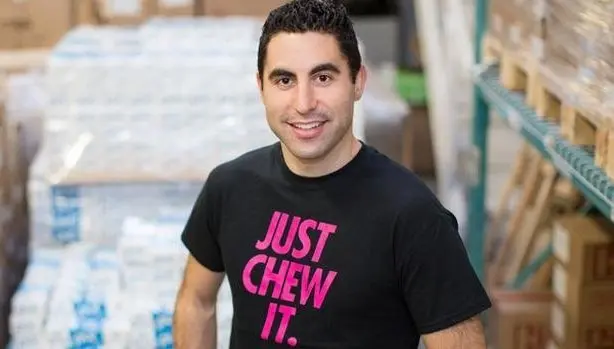
Jay Klein
Founder & CEO, The PUR Company · Dragon, Dragons’ Den
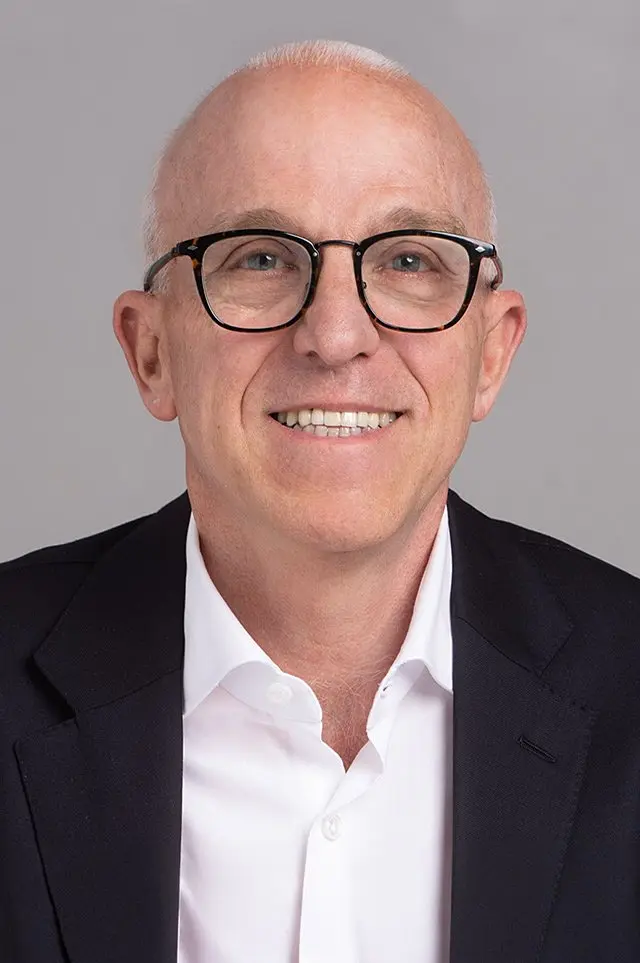
Paul Atkinson
Tech Entrepreneur & Investor; Managing Partner, Southwest Sun Inc.

Adam Rosenfield
Director of Transportation, The Atmospheric Fund

Denise McEachern
Vice President, Wealth Management, HomeEquity Bank

Mackenzie Nichols
Supervisor, Open Data, City of Toronto

Dr. Jane Moran
Chief Technology Officer, Indigo Books & Music

Dr. Corina Kibsey
Naturopathic Doctor, Triangle Physiotherapy
A cash pool of $3,000, split across the two streams.
- Winner
- $1,000
- In each stream
- Runner-Up
- $500
- In each stream
Cash prizes are meant to fund the continued development of the winning solutions.
Plus three recognition awards, in each stream
Most Innovative Solution
The most original, creative, or unique idea in the room.
Most Feasible Solution
The most realistic and practical solution, with real potential to be implemented.
Best Community Impact
The solution with the strongest potential to help people, communities, or the city.
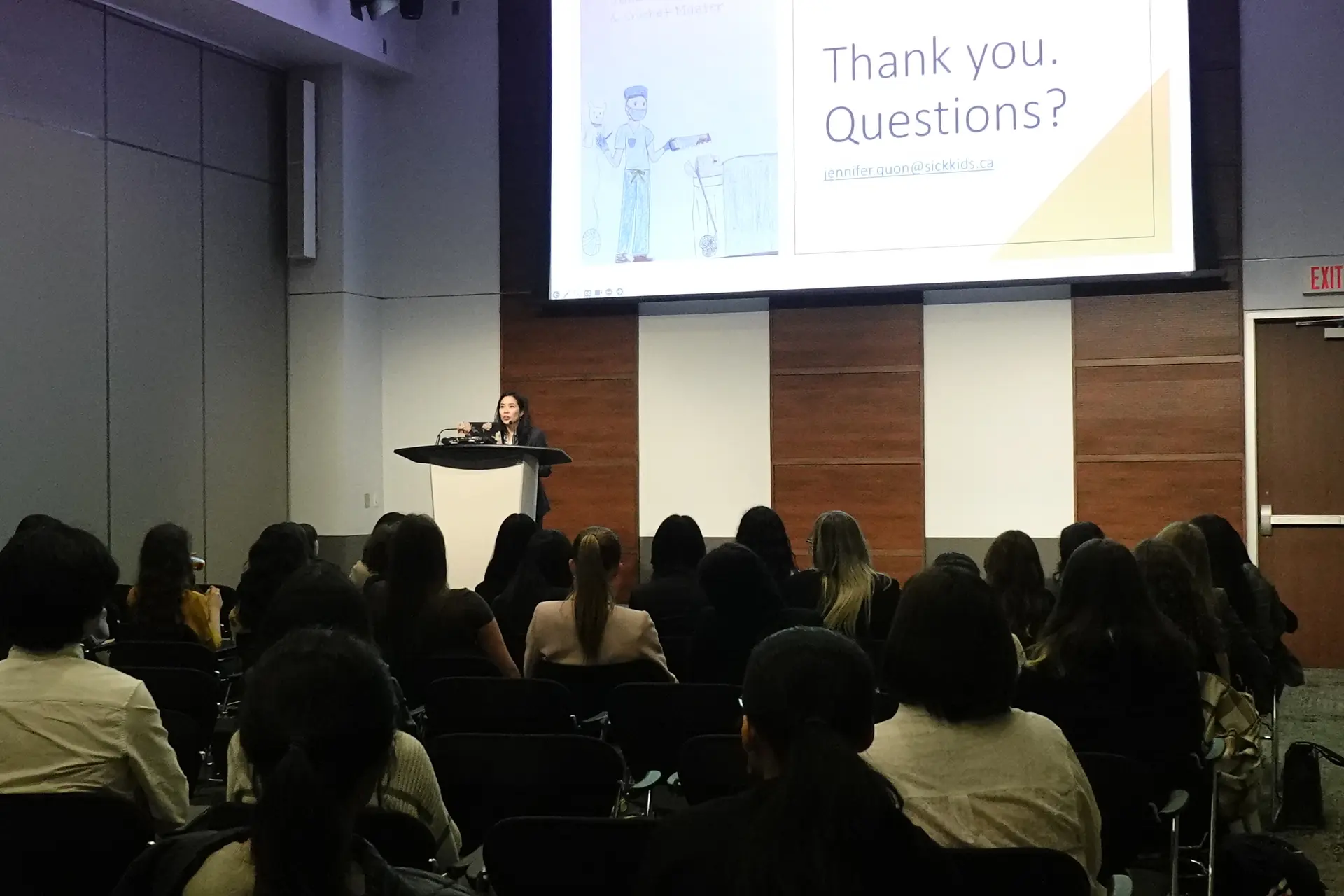
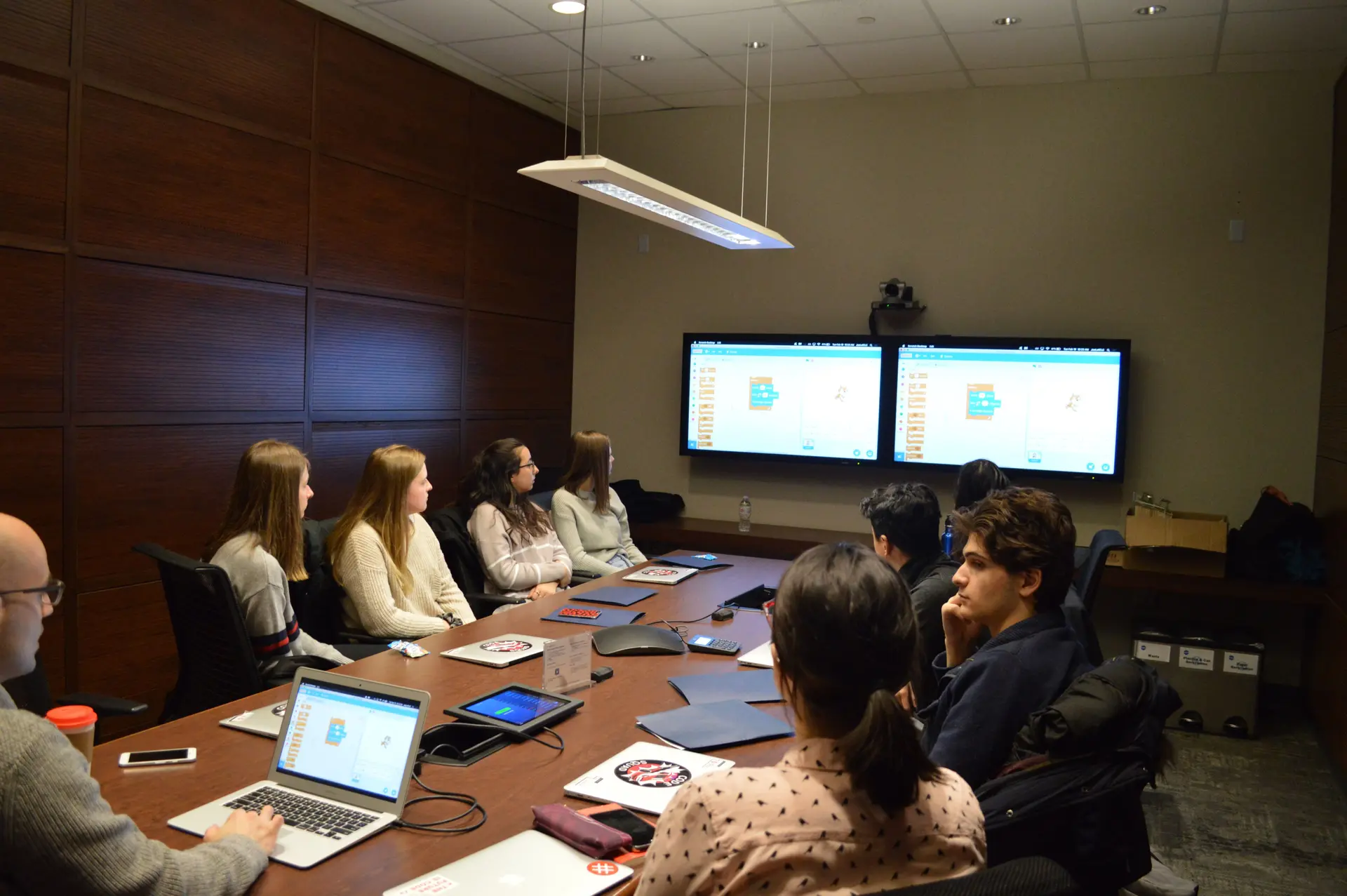
From past challenges.